
What is Landlord Liability Insurance & Why Property Owners Need It
Renting out your property comes with significant financial risk. Learn how landlord liability insurance protects you from tenant lawsuits and property damage.
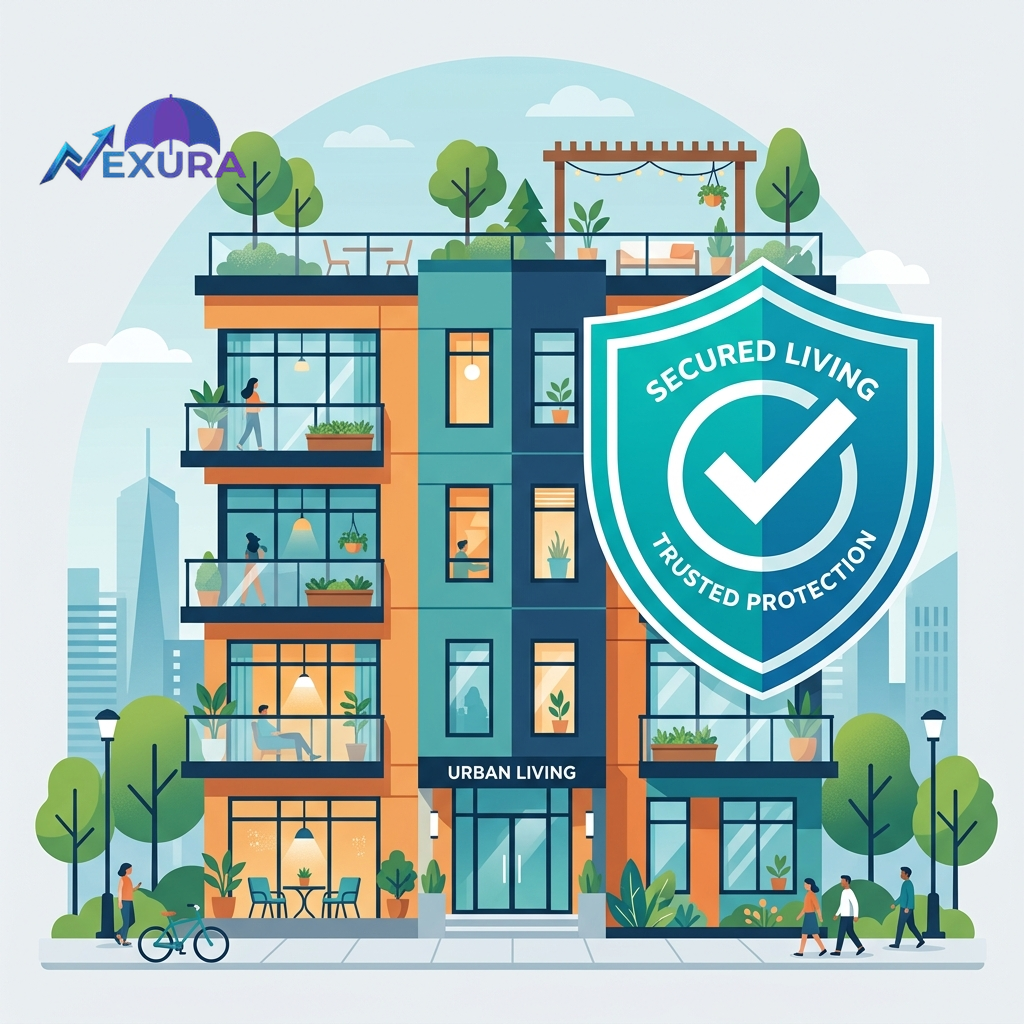
Renting out real estate is an excellent way to build long-term wealth, but it also exposes property owners to substantial legal and financial liabilities. Many new landlords mistakenly assume that their standard homeowners insurance policy will cover their rental property. In reality, renting a property is considered a commercial activity, and standard residential policies will deny any claim arising from rental operations. To protect your assets, you need specialized Landlord Liability Insurance.
1. What Does Landlord Liability Insurance Cover?
Landlord liability insurance is a core component of a landlord property policy (often called a DP-3 policy). It protects you from the financial fallout of lawsuits filed by tenants, guests, or trespassers. Key coverage areas include:
- Slips and Falls: If a tenant or visitor trips on an uneven step or slips on icy stairs because you failed to maintain the property, you can be held legally responsible for their medical bills and lost wages.
- Legal Defense Fees: If a tenant sues you over property conditions, your liability policy pays for your defense attorney, court costs, and any settlements or judgements up to your policy limit.
- Tenant-Caused Damage (Liability): While tenant property is not covered, if a tenant's negligence causes a fire that damages adjacent properties, your liability coverage helps shield you from third-party lawsuits.
2. Landlord Insurance vs. Homeowners Insurance
A standard homeowners policy is designed for owner-occupied properties. Once you move out and rent the home to tenants, you must convert the policy to a landlord policy. Landlord insurance covers:
- Dwelling Protection: The physical structure of the home and any landlord-owned appliances (like refrigerators or lawnmowers left on-site).
- Liability Protection: Crucial for defending against injury claims.
- Loss of Use / Rental Income: If a covered disaster (like a fire) makes the home uninhabitable, this coverage pays you the equivalent rent you would have received from tenants during the rebuild.
3. How Much Liability Coverage Do You Need?
Because personal injury lawsuits in the United States and Canada can easily reach hundreds of thousands of dollars, we recommend carrying a minimum of $1,000,000 in landlord liability coverage. If you own multiple rental properties, you should also consider purchasing a commercial umbrella policy, which provides an extra layer of liability protection across all your real estate assets.
4. Minimizing Your Liability Risk
To keep your insurance premiums low and prevent claims:
- Require Renters Insurance: Always write a clause into your lease agreement requiring tenants to carry their own renters insurance policy. This ensures their personal property is protected and shifts the liability for minor inside-the-home accidents away from you.
- Document regular inspections: Keep records of structural maintenance, furnace servicing, and smoke detector tests to prove you have exercised your duty of care as a landlord.
Compare Landlord Insurance Policies Side-by-Side
Protecting your real estate investment starts with securing the right coverage. Review rates, liability limits, and loss-of-income protections from top-rated providers. Check our Landlord and Rental Insurance Directory to evaluate policy details today.